High-risk zones to avoid when disaster strikes: A survival guide
12/29/2025 / By Evangelyn Rodriguez
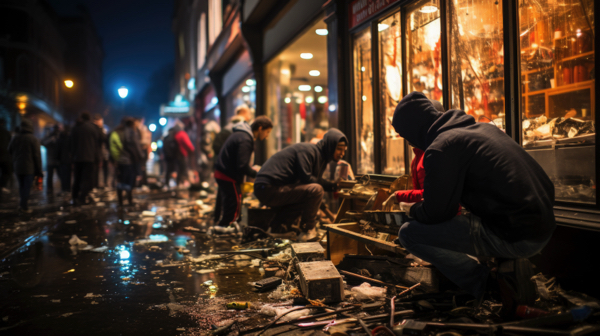
- Panic-buying leads to mob violence, trampling and looting. Stockpile non-perishable food in advance to avoid hotspots like grocery stores and big-box retailers.
- Fuel shortages spark fights, theft and siphoning. Keep vehicles half-fueled and store gasoline with stabilizers for emergencies.
- Desperate people target firearms and ammunition, risking armed confrontations. Stockpile ammo early and avoid last-minute runs to sporting goods stores.
- Overwhelmed medical facilities become chaotic, and pharmacies attract looters seeking meds. Stockpile prescriptions and learn natural remedies as backups.
- Government shelters often descend into violence. Rural landowners may see outsiders as threats. Secure prearranged safe locations before SHTF.
In a prolonged crisis or societal collapse, unprepared individuals often flock to crowded public spaces, creating dangerous hotspots where desperation breeds violence. Knowing which locations to avoid could mean the difference between survival and catastrophe. Experts warn that grocery stores, gas stations, hospitals and other high-traffic areas become magnets for looters, riots and chaos when infrastructure fails. For individuals prioritizing safety, strategic planning and situational awareness are essential.
Grocery stores and big-box retailers: Ground zero for chaos
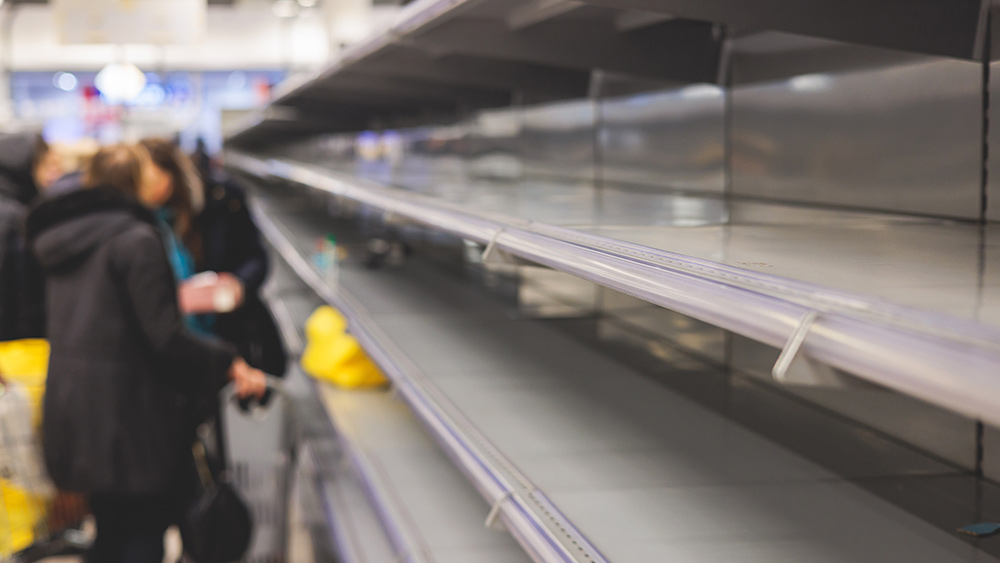
When disaster strikes, panicked crowds inevitably rush to supermarkets and big-box stores, hoping to secure last-minute supplies. These locations transform into high-risk zones quickly. Power outages can render cash registers useless, and employees—fearing unrest—often abandon their posts. Once looting begins, mob mentality takes over, leading to trampling, fights and even armed confrontations over basic necessities.
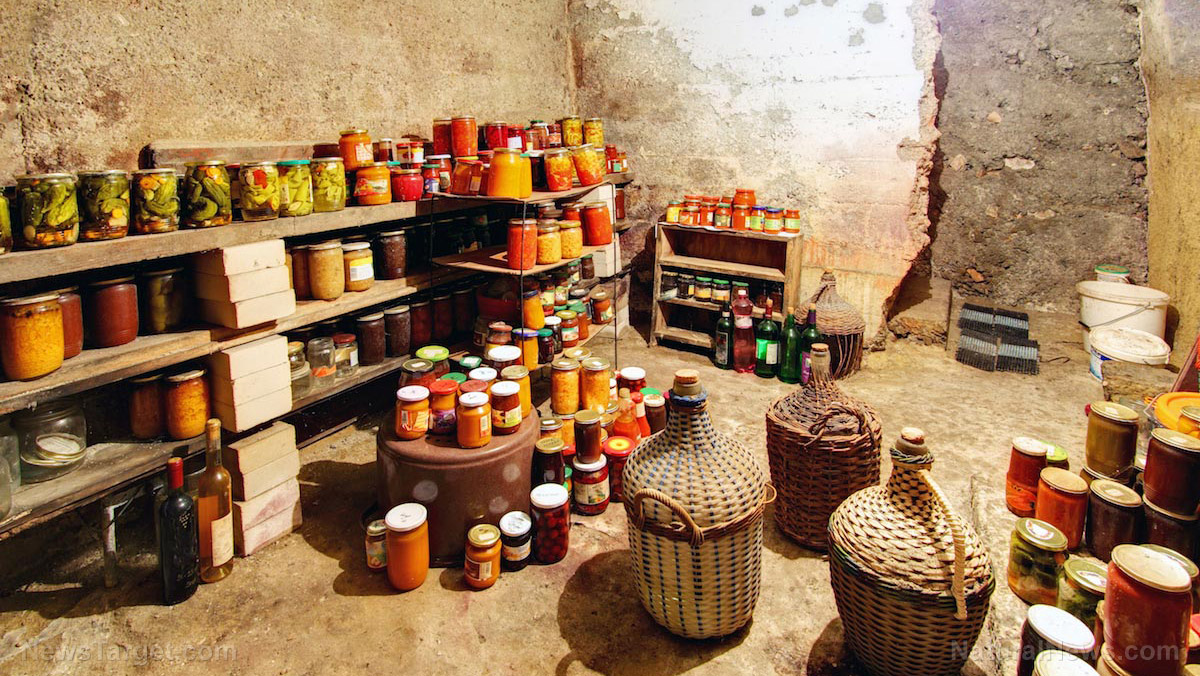
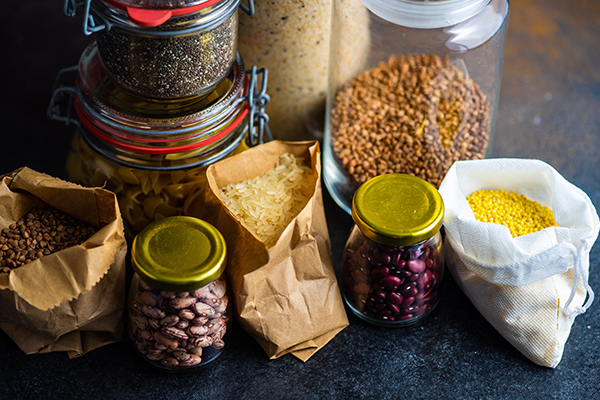
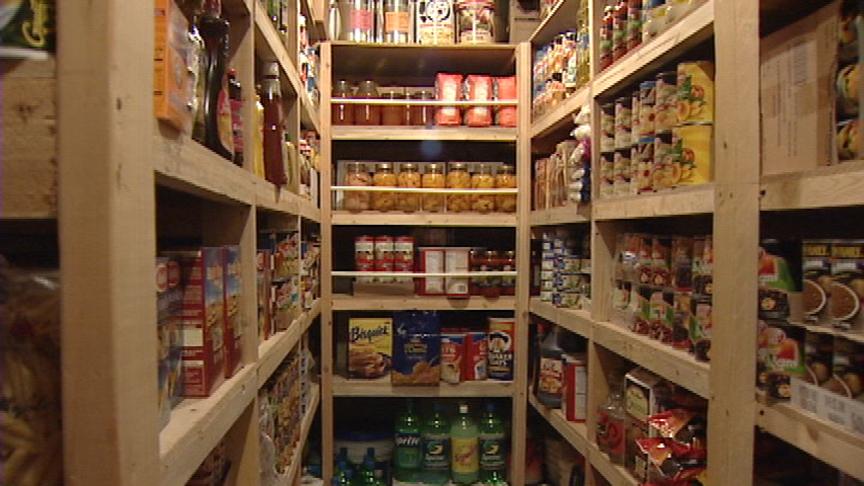
Survival tip: Maintain at least two weeks’ worth of non-perishable food at home. Even repetitive meals like canned beans or preserved meats are preferable to risking injury in a frenzied crowd.
Gas stations: Fuel shortages spark violence
Gas stations rank among the most volatile locations in a crisis. If electricity fails, pumps shut down, leaving frustrated drivers stranded. Even with operational fuel supplies, long lines create bottlenecks, escalating tensions. Motorists running on fumes could resort to siphoning or outright theft, turning gas stations into battlegrounds.
Survival tip: Keep vehicles at least half-fueled at all times and store gasoline with stabilizers for emergencies. If refueling becomes necessary, prioritize truck stops with backup generators and multiple pumps to minimize wait times.
Sporting goods stores: Desperation meets firearms
Stores selling guns, ammunition and camping gear attract desperate individuals seeking protection or hunting supplies. In states with waiting periods for firearm purchases, frustration can boil over into riots. Worse, opportunistic looters may attempt armed robbery, putting bystanders in the crossfire.
Survival tip: Stockpile ammunition in advance and avoid last-minute supply runs. Even a basic .22-caliber rifle can deter intruders and provide small-game hunting capabilities.
Hospitals and clinics: Overwhelmed and dangerous
Medical facilities quickly become overwhelmed during disasters, with injured victims flooding emergency rooms. As patience wears thin, violent altercations may erupt between desperate patients and exhausted staff. Hospitals lacking security could devolve into free-for-all zones where the injured are left vulnerable.
Survival tip: Invest in first-aid training and maintain a well-stocked medical kit. If hospitalization is unavoidable, stay near exits for a quick escape if tensions escalate.
Pharmacies: Prescription medications turn deadly
When supply chains collapse, pharmacies could face waves of people seeking critical medications—particularly antibiotics and painkillers. Those denied prescriptions may resort to theft, while opioid addicts could target pharmacies for drugs. Standing in line during a robbery attempt puts individuals at extreme risk.
Survival tip: Stockpile essential medications whenever possible. For antibiotics, explore alternative sourcing methods before restrictions tighten. BrightU.AI‘s Enoch engine also recommends opting for herbal alternatives, such as garlic, oregano oil, colloidal silver and honey. These cheaper and safer substitutes have natural antibacterial properties that are comparable to, or even better than, conventional antibiotics in terms of effectiveness.
Public shelters: False sense of security
Government-run shelters, such as those operated by FEMA or the Red Cross, may seem like safe havens, but history proves otherwise. Post-Katrina reports from the Superdome revealed rampant violence, theft and unsanitary conditions in these places. Large-scale shelters often operate under martial law, stripping individuals of autonomy.
Survival tip: Seek isolated, secure locations rather than crowded shelters. Establish hidden camps or rural safe houses where order can be maintained.
Rural retreats: Not always welcome
City dwellers often fantasize about fleeing to remote cabins or farms, assuming landowners will welcome them. In reality, rural residents fiercely protect their properties—often with firearms. Unannounced arrivals risk being perceived as threats.
Survival tip: If relocating to a friend’s property, confirm permission in advance. When approaching strangers, announce yourself clearly with hands visible to avoid misunderstandings.
Survival hinges on foresight, not reaction. By avoiding high-risk zones, maintaining essential stockpiles and developing self-sufficiency skills, individuals can navigate crises without falling victim to mob mentality. The key lesson? In a breakdown of social order, the safest place is often far from the crowd.
Learn about the 11 places you need to avoid after SHTF by watching this video.
This video is from the Daily Videos channel on Brighteon.com.
Sources include:
Submit a correction >>
Tagged Under:
bug out, chaos, civil unrest, Collapse, disaster, panic, preparedness, prepper, prepping, SHTF, survival, survivalist, tips
This article may contain statements that reflect the opinion of the author
RECENT NEWS & ARTICLES